
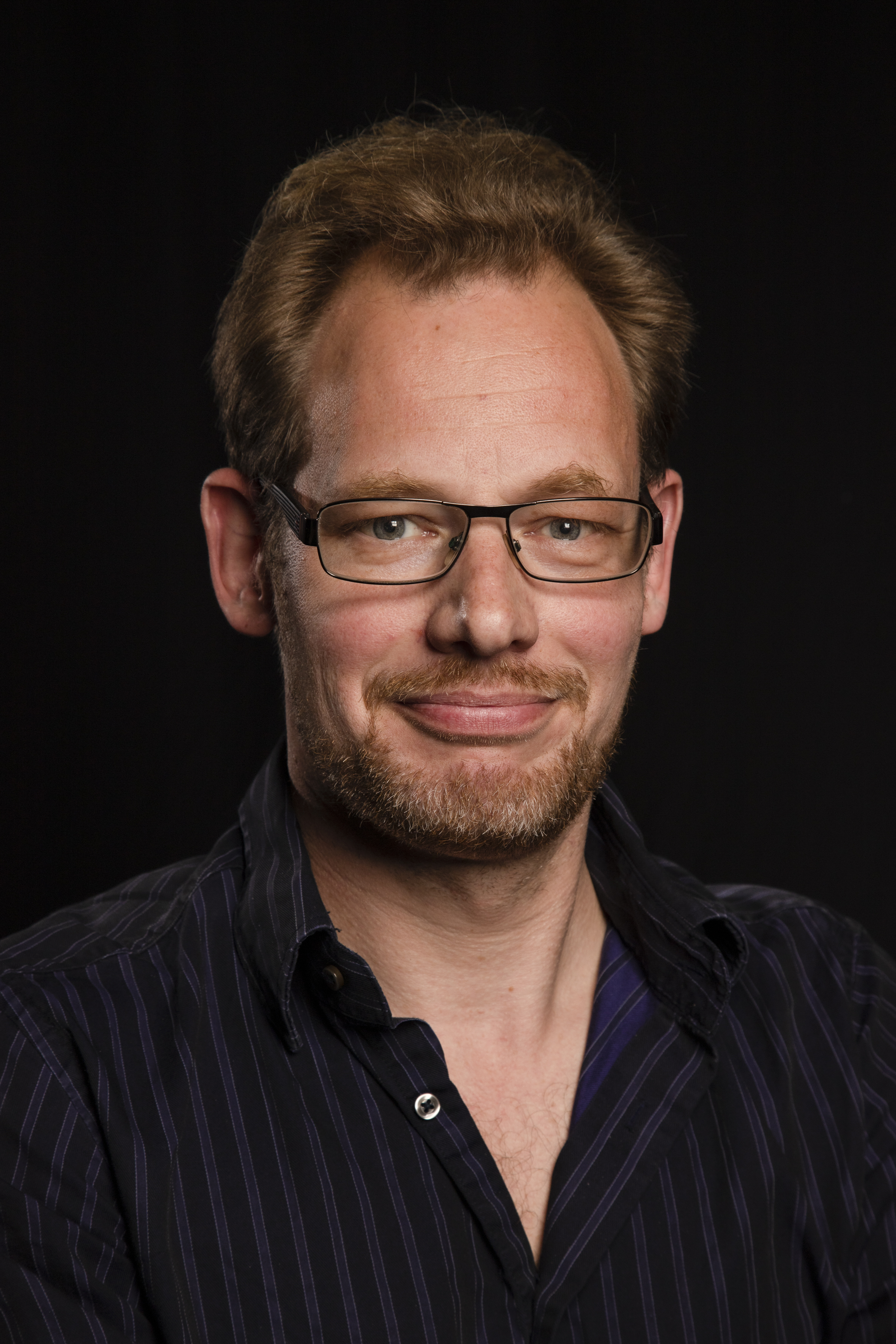
Professor of Neurosciences
Rogier obtained his PhD (highest honors) from the Donders Centre of the Radboud University in 2006 with a thesis on the contributions of human premotor cortex to action. He then moved to University College London to work with Sven Bestmann on computational models to analyze EEG and TMS data. Since 2007 Rogier has been working at the University of Oxford, first as a Marie Curie Intra-European Fellow with Matthew Rushworth and more recently as an independent PI.
Rogier is interested in understanding how the brains of different animal species' are differently organized and how this affects the species' behavioral repertoire. To this end, he and in team build tools for comparative neuroscience and apply them both to understand brain evolution and to help improve translational neuroscience.
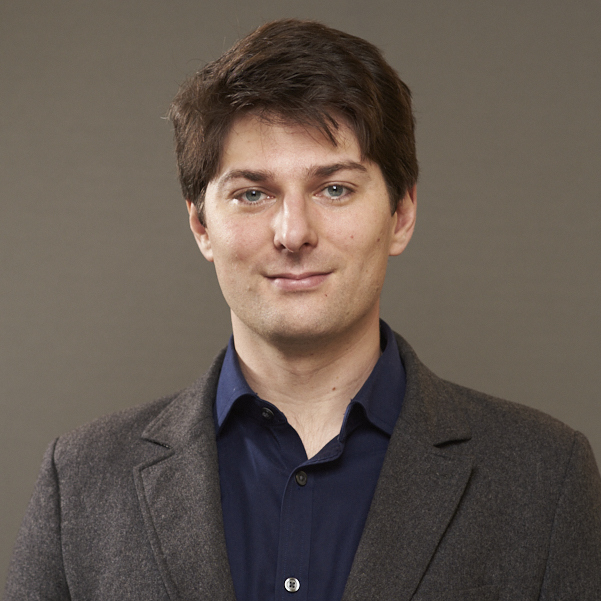
Post-doctoral researcher
Austin earned his PhD from the Universidad Autónoma de Madrid where he worked to build cross-species translations between the pig and human, while also establishing the pig as a model species in neuroimaging. Through this process he also gained a knack for developing non-human MRI analysis methods which includes the non-human cortical surface extraction pipeline precon_all. Following his PhD he went to Paris and the lab of Daniel Margulies. There he built on his prior work using cortical surface models and learned to apply machine learning to study how interindividual variation in cortical geometry influences human behavior. He now joins the Neuroecology lab where he will work to align and identify human biomarkers of neurodegenerative disease with their preclinical counterparts. When he's not in the lab, you will probably find him at the ice rink.
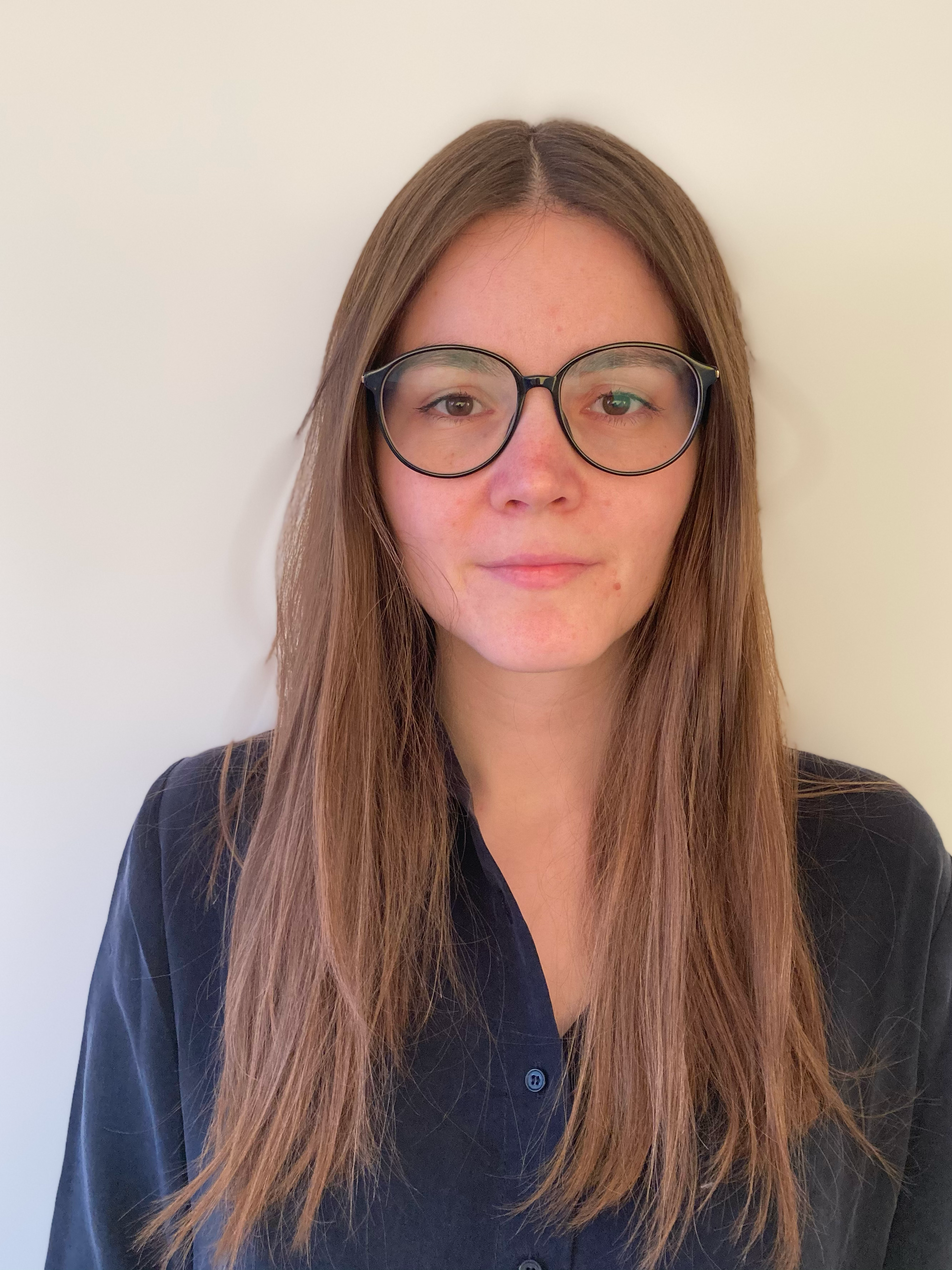
Erwin Schroedinger Fellow
Magdalena Boch obtained her PhD at the Comparative Canine Cognition Unit at the University of Vienna, where she used comparative functional neuroimaging to study a potential convergent evolution of the neural bases supporting social abilities in humans and pet dogs. At the Cognitive Neuroecology Lab, she will combine multiple neuroimaging modalities to investigate the evolution, structure, and function of the temporal lobe — a key brain area for social cognition in primates — across a broad range of carnivoran species.
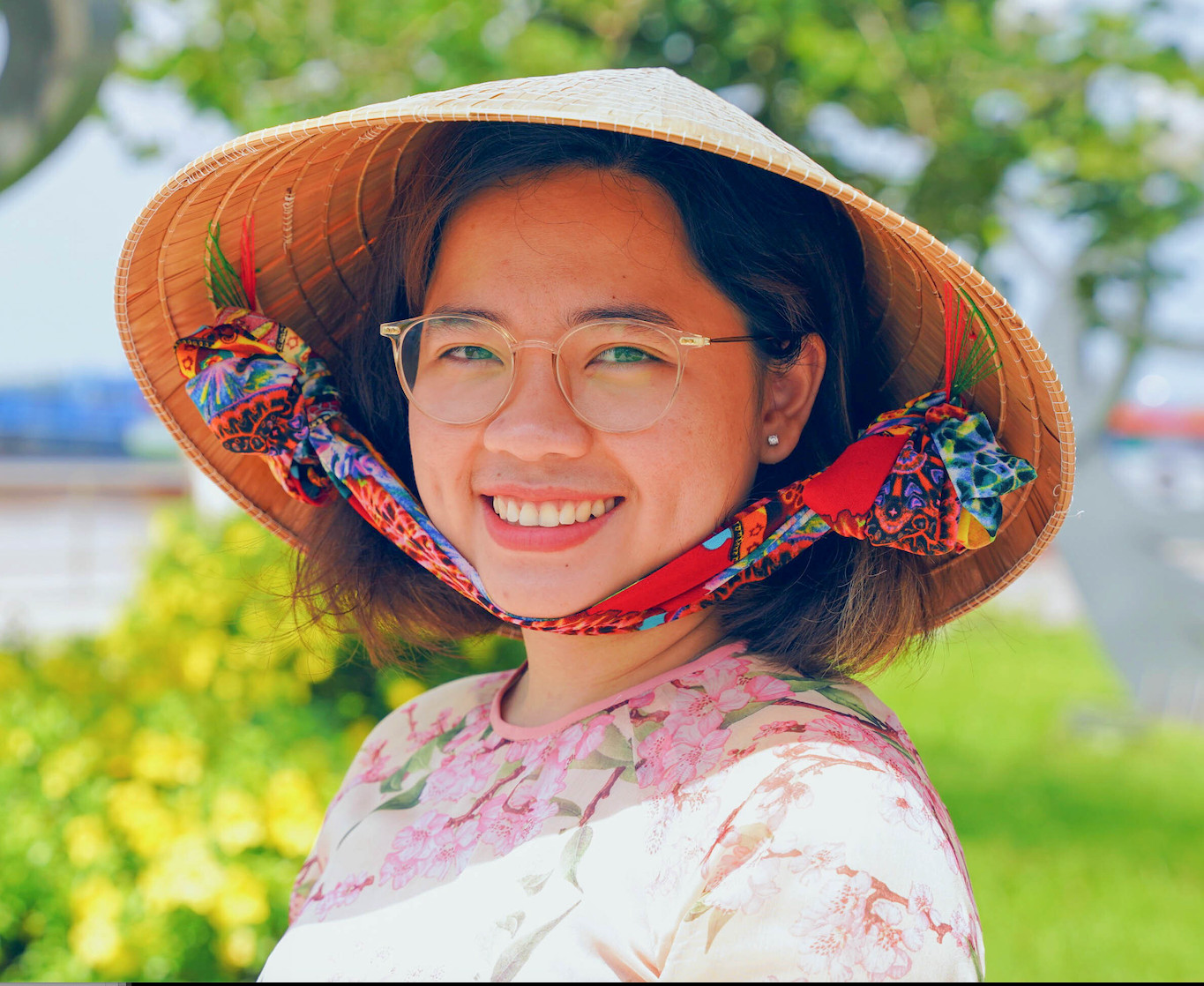
DPhil student, Jardine scholar
Tien joined the lab in 2024 as a Jardine scholar, reading a DPhil in Clinical Neurosciences with the Nuffield Department of Clinical Neurosciences and the Department of Pharmacology. Her research focuses on leveraging MRI technologies to advance interdisciplinary neurosciences and improve the translatability of current preclinical models, with a particular emphasis on understanding and addressing post-traumatic stress disorder (PTSD). At the NeuroEcology and Anatomy lab, she is continuing her MSc project to construct a multimodal MRI brain template to facilitate cross-species comparison between mice and rats. Before her DPhil, Tien obtained her MSc in Clinical and Therapeutic Neuroscience from the Psychiatry Department and worked as a research assistant at the Experimental Neuropathology lab, Department of Pharmacology.
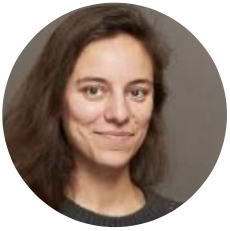
Post-doctoral researcher
After a PhD in Grenoble investigating the role of the Parietal Operculum in tinnitus perception, Chloe started questioning the role of preclinical models of auditory disorders. This led her to a postdoctoral position at the Neuroecology lab aiming to improve the rate of translation between preclinical and clinical research. Using high throughput data such as gene expression and machine learning tools, the goal of her current project is to build a model mapping the translation between the mouse and human brain.
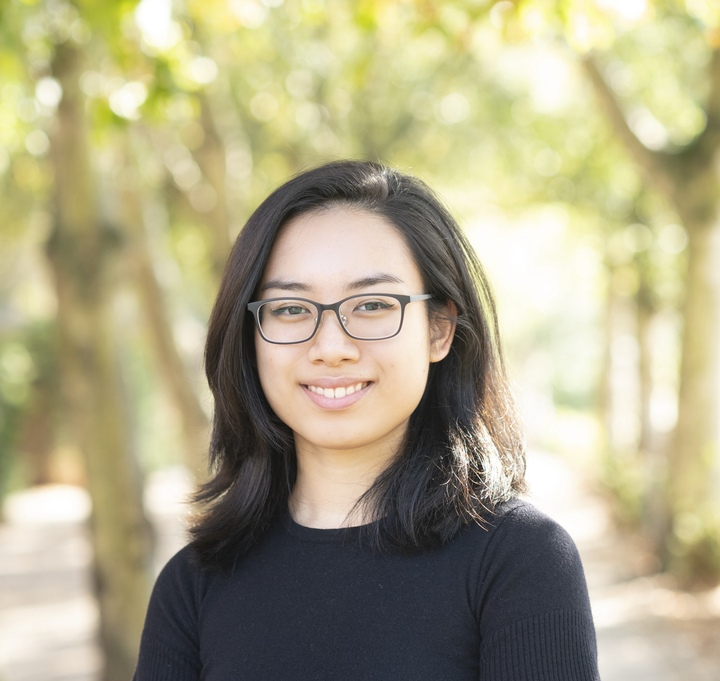
DPhil student, Interdisciplinary Bioscience Doctoral Training Programme
Jade joined the lab in 2024 as a DPhil student on the Interdisciplinary Bioscience Doctoral Training Programme, funded by the BBSRC and a Clarendon scholarship. She is working on a mouse-human translational brain model, aiming to inform and improve cross-species comparisons. Previously, she was a research technician studying sex-specific neural circuits and amyloid protein aggregation, and completed a BSc (Hons) in Biological Sciences at the University of Warwick funded by the Warwick Singapore Scholarship.
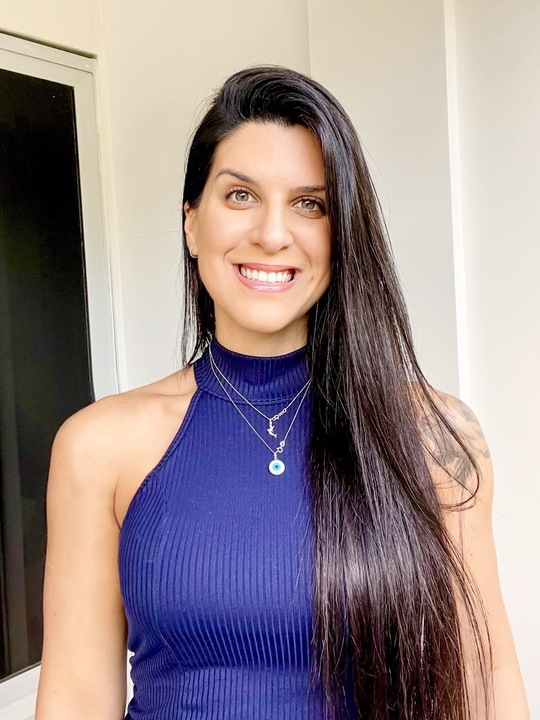
Director, Brazilian Neurobiodiversity Network
Post-doctoral researcher, Federal University of Rio de Janeiro
Kamilla Souza obtained her Ph.D. in Neurosciences from the Federal University of Rio de Janeiro, Brazil, where her research focused on the neuroanatomical description and gyrification analysis of freshwater and saltwater dolphins. As the founder of the Brazilian Neurobiodiversity Network, her interests extend beyond cetaceans, encompassing the diversity of mammalian brains to contribute to a deeper understanding of brain evolution. In her work at the Neuroecology Lab, Dr. Souza focuses on adapting and integrating advanced neuroimaging techniques to explore the distinct structure and function of aquatic mammal brains, shedding light on how these species have adapted to diverse ecosystems throughout their unique evolutionary history.
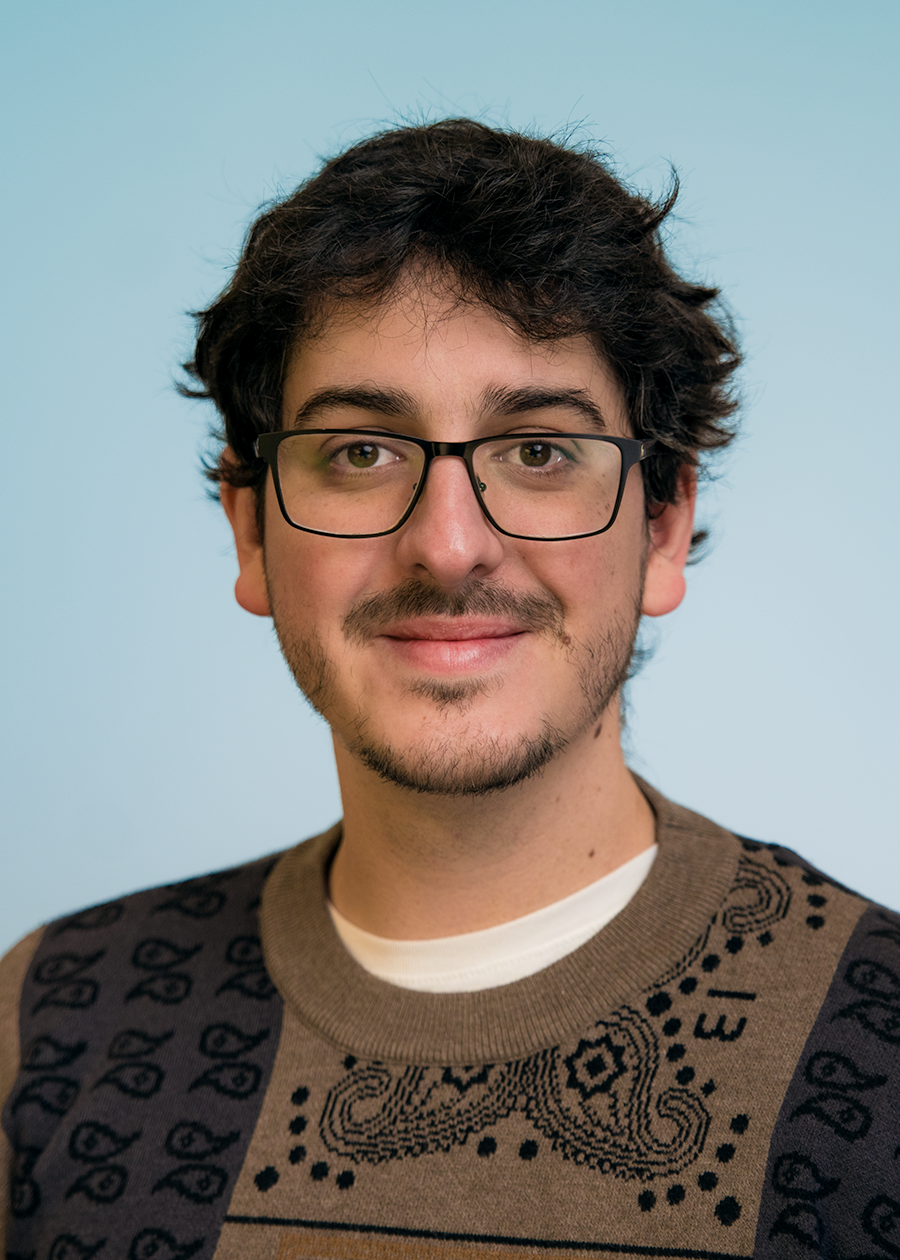
PhD student
Jaime joined the lab in 2025 as a PhD student at the Donders Center for Cognition in Nijmegen. His work focuses on building and testing a new computational paradigm to investigate the neurocognitive basis of morality. He is primarily affiliated with the SAMBA group, which focuses on forensic populations such as incarcerated populations high on psychopathy. Before his PhD, Jaime earned an MSc in cognitive neuroscience from Leiden University. He also held various academic positions, including a two-year position as the lab manager for the Social, Economic, and Organizational Psychology unit at Leiden University, and a year-long Research Assistant position in the Decision Neuroscience Laboratory at the Donders Center for Cognitive Neuroimaging.