Most sociology focuses on events of everyday life or on
encompassing
social structures. I’m particularly interested in times when ordinary people choose
extraordinary actions, in defiance of powerful structures. Their
collective action occasionally transform those structures, which of course lends it historical
significance. But even when collective action fails, it is
intrinsically interesting. Within the discipline, my research fits into
the field of social movements, or more broadly political sociology.
The volatility of collective protest is my first theoretical interest.
I have investigated two waves of protest which erupted suddenly, surprising even the participants:
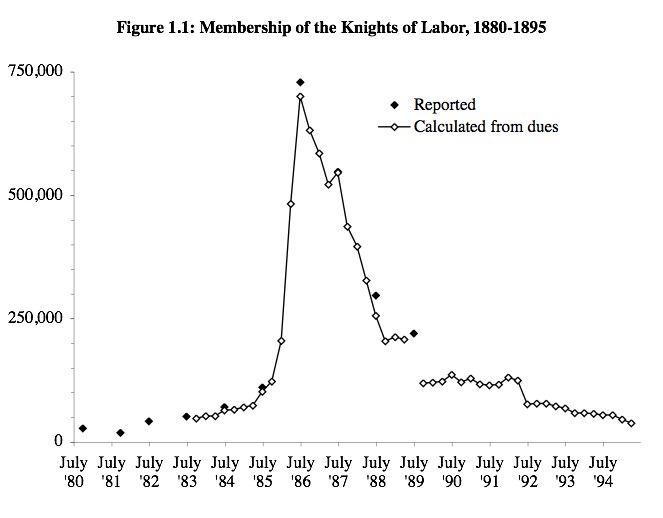
strikes for the eight-hour day in the United States in 1886 and
sit-ins in the American South in 1960.
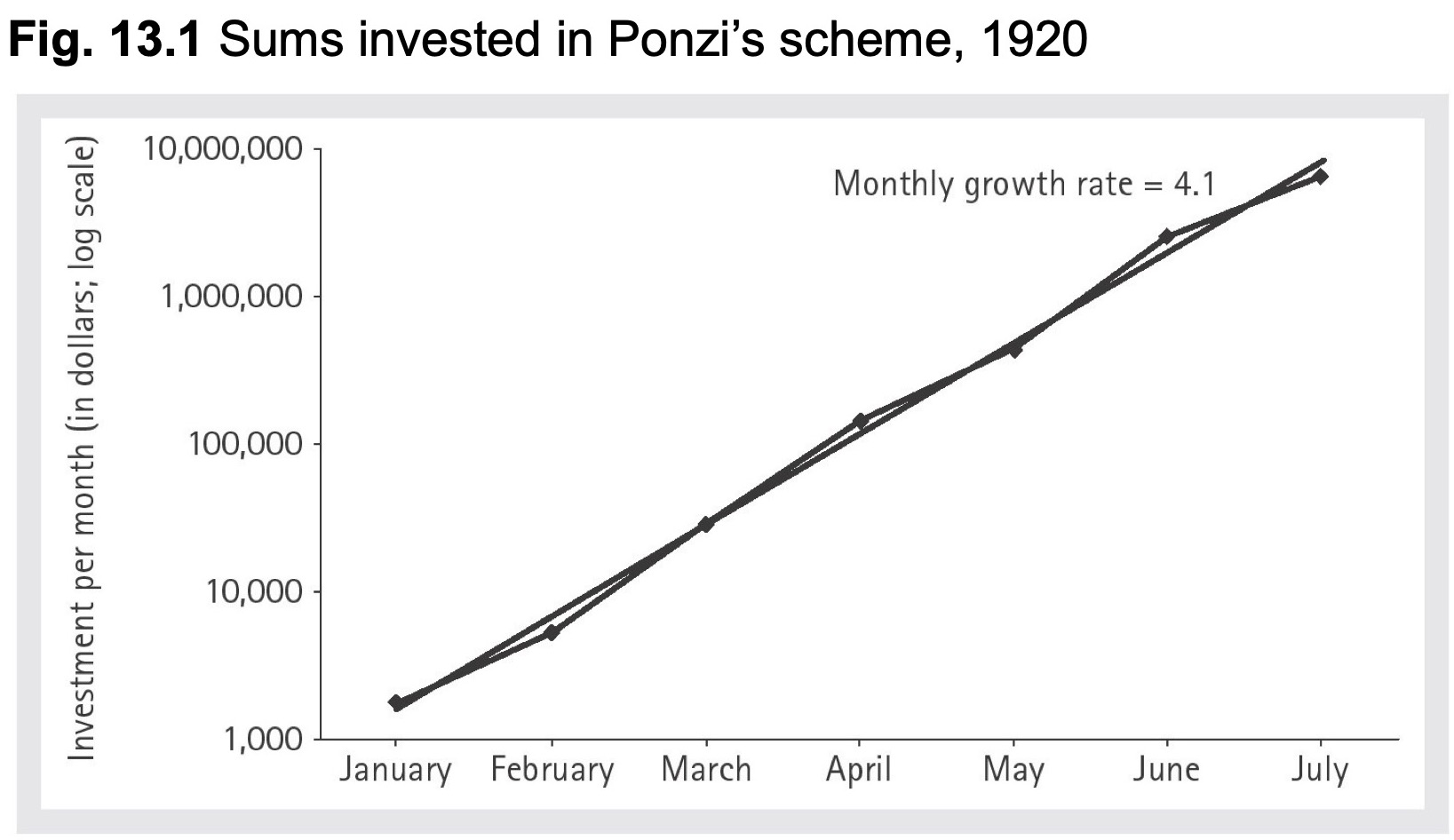
I argue that it’s not adequate to deploy the conventional explanatory strategy, seeking causes in exogenous shifts in political or economic circumstances. Instead, I argue for an endogenous process of positive feedback:
people protest because other people have done so.
A second interest is self-inflicted
suffering as a form of protest.
Strikes and sit-ins inflict a cost on the opponent, and thus can coerce
the opponent into offering concessions--a straightforward logic of
bargaining. Why would it make sense to harm oneself, without harming
others: to go on hunger strike or to set oneself on fire?
I’ve investigated the social contexts of mobilization in various contexts:
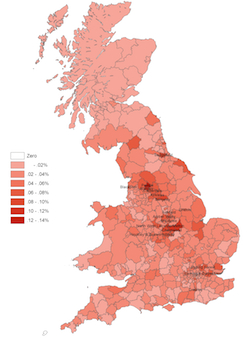
from membership of the
far-right British National Party
to the
2011 London riot;
from the
massacre of Muslims in India in 2002
to
Islamist students resisting the 2013 coup in Egypt.
These analyses exploit original data including the leaked addresses of party members,
records of arrests compiled by the police or by activists, and the locations of killings.
My research sometimes
challenges orthodox methods and established findings.
I show that the survey questions typically used to measure protest have
distorted our understanding of trends over time,
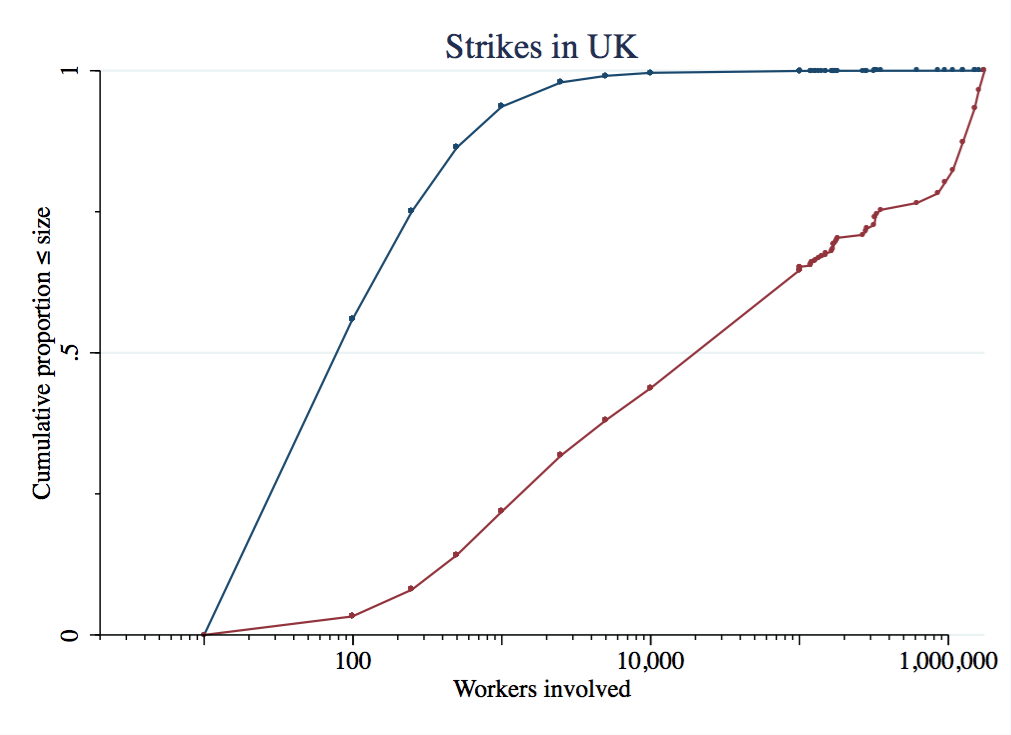
and that the most common metric for
quantifying protest is misleading.
My concern with scientific rigour led me beyond the discipline of sociology,
to examine the evidence underpinning the medicalization of adolescents experiencing gender dysphoria,
including the
rate of suicide and
the efficacy of puberty suppression.
This strand of my research has had
policy impact,
most recently forcing the Office of National Statistics to admit that the Census of England and Wales had
incorrectly measured the transgender population.
Finally, I have written historical constructivist accounts of how various
bodies of knowledge have reshaped institutions.
My very first article traced the impact of
cartography on European states.
A recent article undertakes a similar exercise for the effect of
queer theory on English prisons.
I have written on
academic freedom in the context of sex and gender, and I belong to
Academics for Academic Freedom and to the
Free Speech Union.