Applied Control Laboratory

Idris Kempf

The Applied Control Laboratory develops control, optimisation and AI methods for complex physical and biological systems. Our research spans diverse application areas, unified by the goal of enabling advanced controls in demanding real-world applications.

We start from problems posed by demanding applications, develop the mathematical and computational tools needed to solve them, and work closely with collaborators to implement the results in practice. Our research spans control theory, software engineering, optimisation and numerical linear algebra. Our current applications are in synchrotron light sources, battery manufacturing, high-throughput microscopy and biotechnology. See our Research and Publications pages for more information.

We're an interdisciplinary team and welcome applications and ideas from diverse scientific backgrounds. View our latest opportunities.

  1. Papers accepted for CDC 2026 in Honolulu, Hawaii

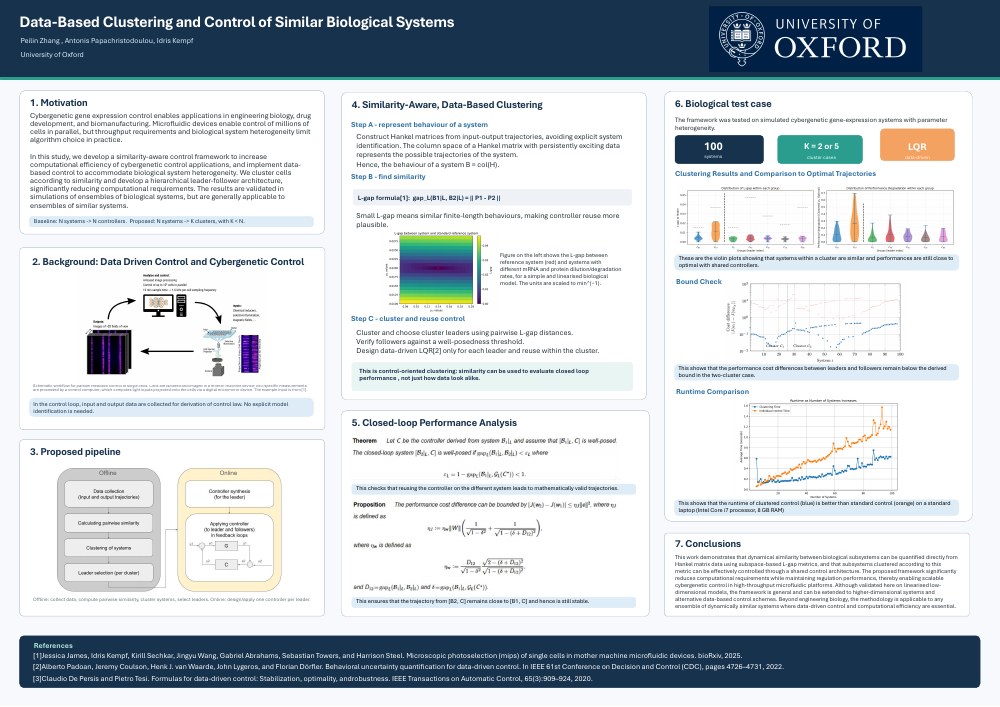
    Papers by Ms Peilin Zhang and Dr Hyuntae KimData-Based Clustering and Control of Similar Biological Systems and Aperture-Aware CD Sensing: Aliasing Limits and Robust Bounds for Decoupling Control, respectively—have been accepted for presentation at CDC 2026 in Honolulu, Hawaii. Congratulations to both!

  2. UKACC Control Conference 2026 in Newcastle

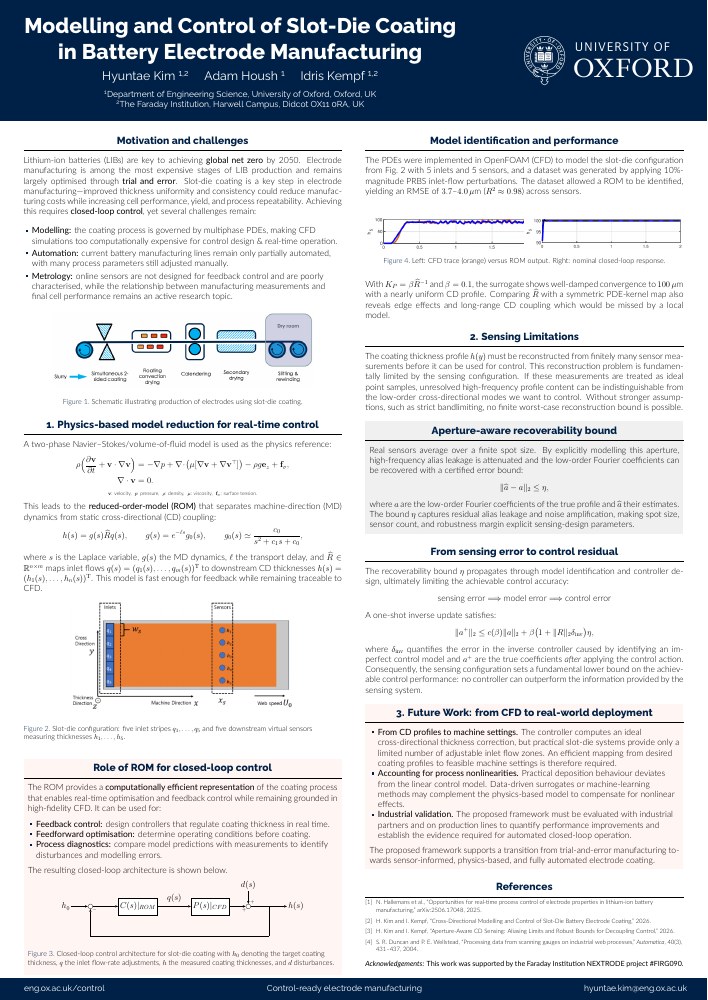
    Many thanks to Ms Peilin Zhang and Mr Adam Housh for presenting their posters.

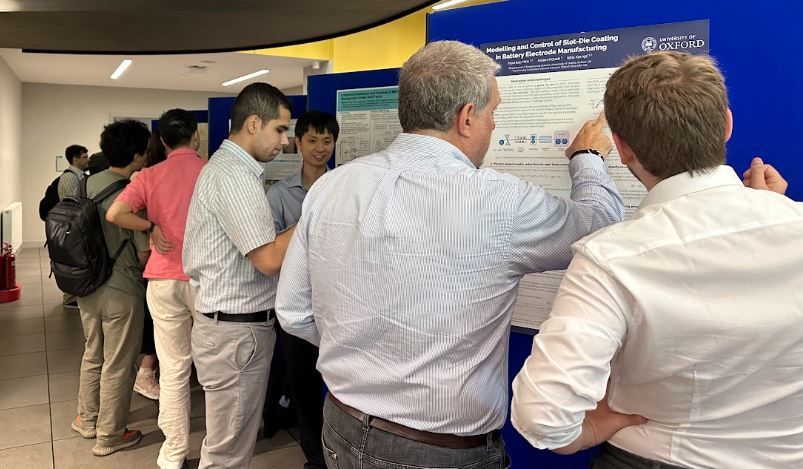
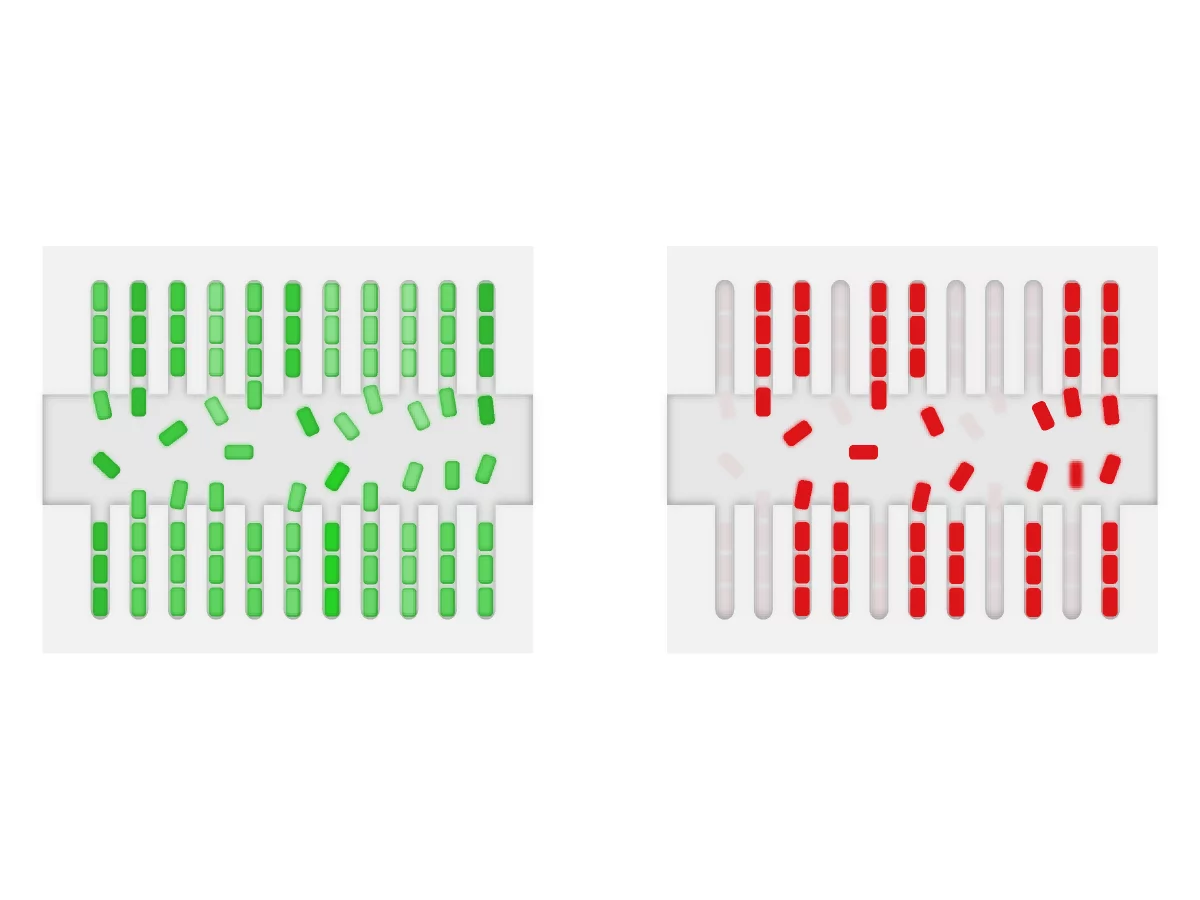
    Picture of the conference poster
    Adam Housh presenting our poster on modelling and control of slot-die coating in battery electrode manufacturing (see preprint, to be presented at IFAC 26). Picture adapted from ACE Network LinkedIn post.

Research

We develop control-theoretical tools to enable advanced control applications in demanding real-world systems. Our research spans control theory, AI/ML, optimisation, software engineering and applied maths.

When moving from theoretical control concepts—often only applied to academic toy examples—to deployed engineering systems, new challenges arise, particularly for demanding applications. For example, limited computational capability due to a large number of inputs and outputs and a high sampling frequency might prohibit the deployment of a target control algorithm. Our research aims to lift these constraints in multiple ways: by reformulating the underlying algorithm, developing mathematical and computational tools to enable deployment, or developing new control concepts.

Different control application areas share common deployment challenges, which is why our application areas and industry partners range across multiple fields. Our current research is mainly organised around three application areas: synchrotron light sources, advanced manufacturing, and control applications in engineering biology. These applications share common technical challenges in terms of system size, throughput, and model complexity. See below for more details on our application areas, and view our latest publications.

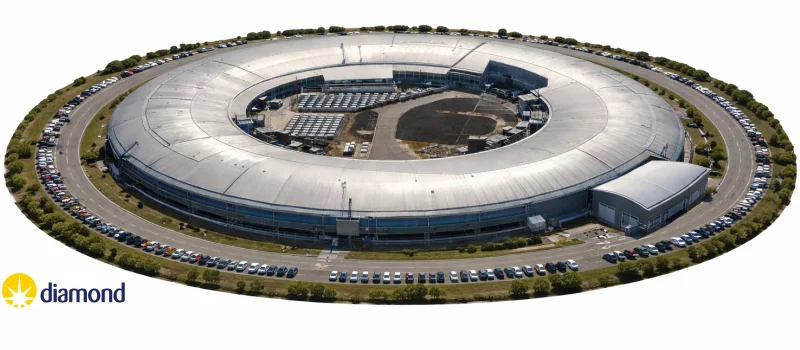
  1. Aerial view of the Diamond Light Source synchrotron facility

    Particle Accelerators

    Feedback and optimisation methods for precise, high-speed control of particle beams and scientific instruments.

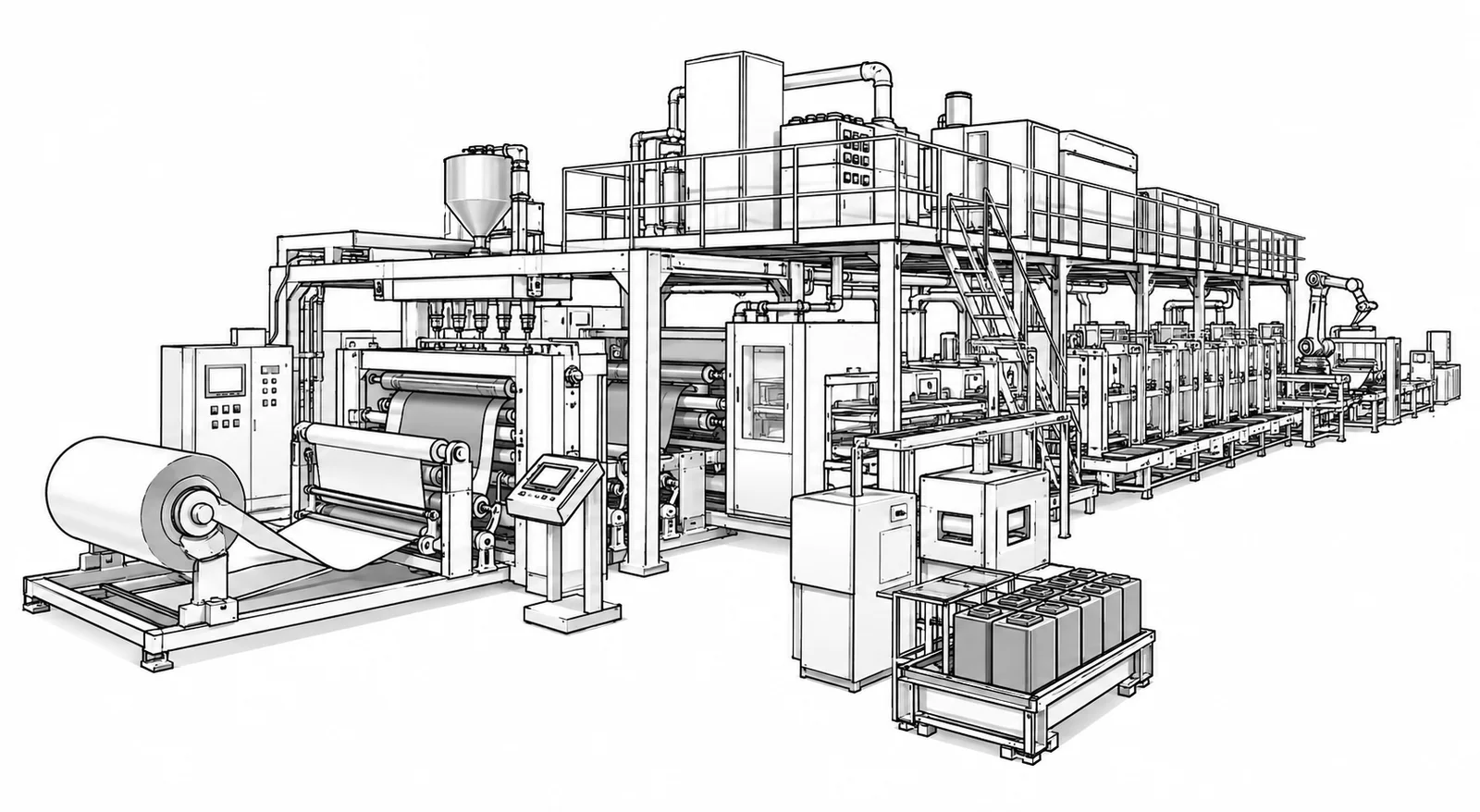
  2. Illustration of a continuous high-throughput manufacturing line

    Advanced Manufacturing

    Control, optimisation, sensing and estimation for efficient, high-quality manufacturing processes.

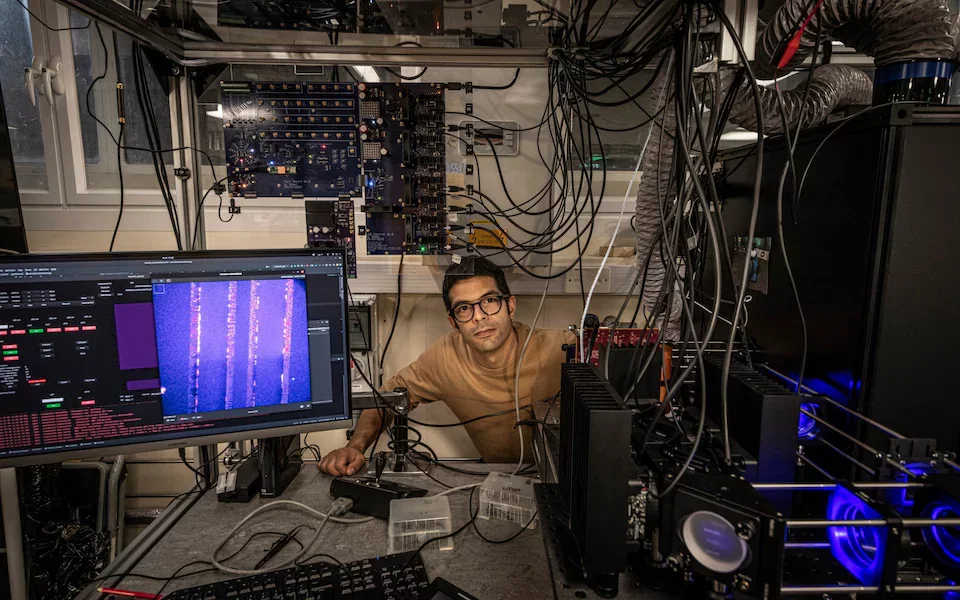
  3. Automated microscopy and microfluidics experimental platform

    Biocontrol

    Automated observation, intervention and real-time decision-making for engineering biology.

Publications

  1. Preview for Quantum Spin Resonance in Engineered Proteins for Multimodal Sensing

    Gabriel Abrahams et al.

    Nature 649(8099), 1172–1179, 2026 · DOI: 10.1038/s41586-025-09971-3 · Link

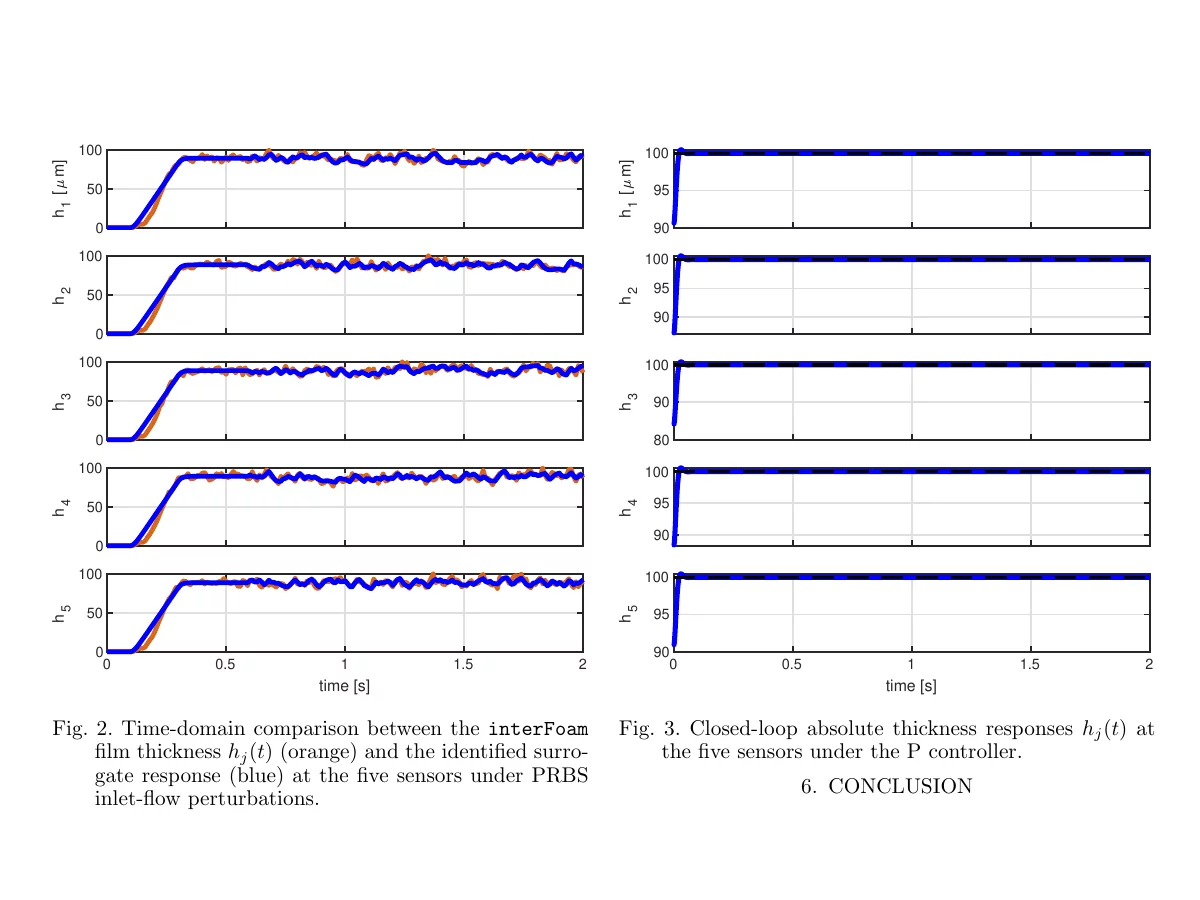
  2. Preview for Cross-Directional Modelling and Control of Slot-Die Battery Electrode Coating

    Hyuntae Kim, Idris Kempf

    arXiv preprint, 2026 · Link

  3. Preview for Control of Multi-Array Cross-Directional Systems using the Generalised Singular Value Decomposition

    Idris Kempf et al.

    Automatica 179, 112431, 2025 · DOI: 10.1016/j.automatica.2025.112431 · Link

View all publications →

Contact

Portrait of Idris Kempf

Idris Kempf

Departmental address

Department of Engineering Science
University of Oxford
Information Engineering Building (IEB) 40.10
Parks Road, Oxford OX1 3PJ, UK

College addresses

Jesus College
University of Oxford
Turl Street, Oxford OX1 3DW, UK
Keble College
University of Oxford
Parks Road, Oxford OX1 3PG, UK